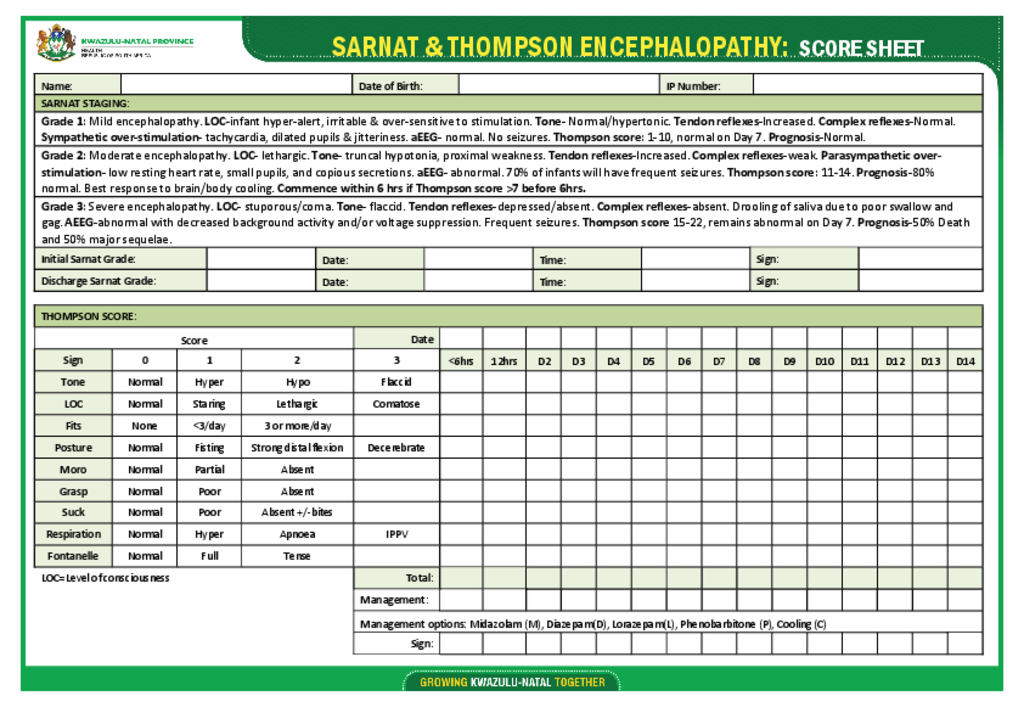
The HIE Score Chart is a clinical assessment tool used to evaluate the severity of Hypoxic-Ischaemic Encephalopathy (HIE) in newborns using the Sarnat staging and Thompson scoring systems. It supports the assessment, monitoring, treatment decisions, and prognosis of affected infants, facilitating timely and evidence-based neonatal care.
Chapter 8A: Neonatal Emergencies provides evidence-based guidance for the assessment and management of common neonatal emergencies, including respiratory distress, sepsis, hypoglycaemia, jaundice, seizures, shock, and feeding difficulties. It outlines standard treatment protocols, stabilisation measures, referral procedures, and supportive care to improve neonatal survival and the quality of newborn healthcare services.
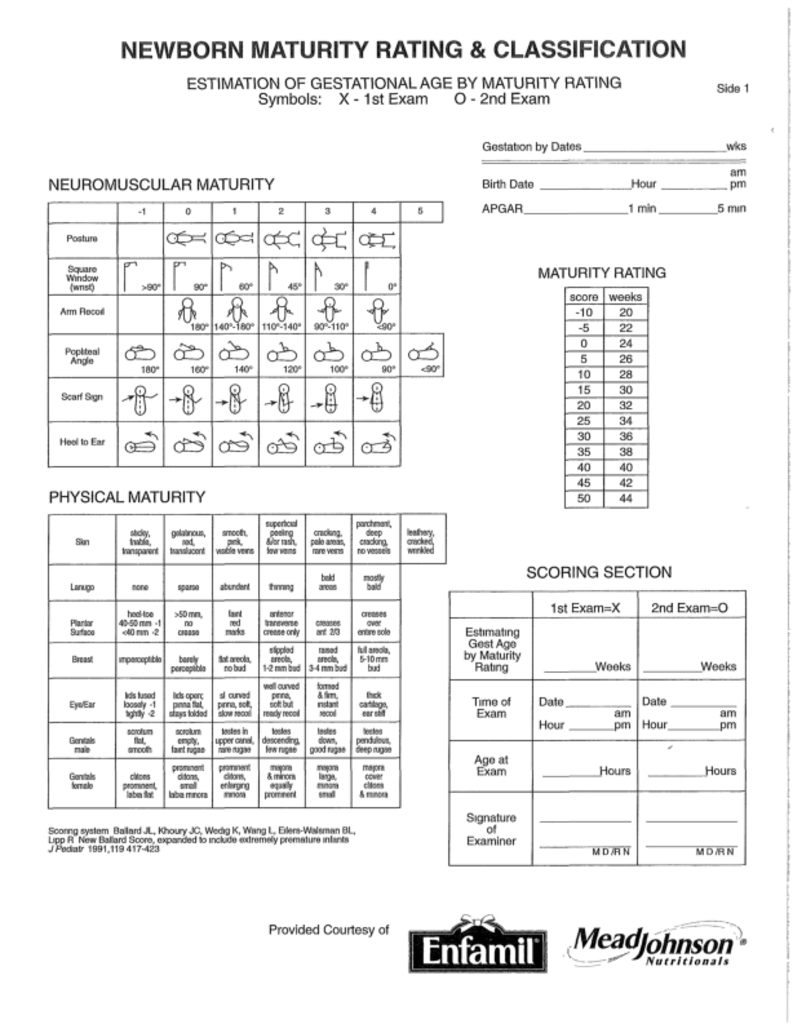
The New Ballard Score is a neonatal assessment tool used to estimate the gestational age of newborns by evaluating neuromuscular and physical maturity. It supports the classification of preterm, term, and post-term infants, enabling timely and appropriate neonatal care.
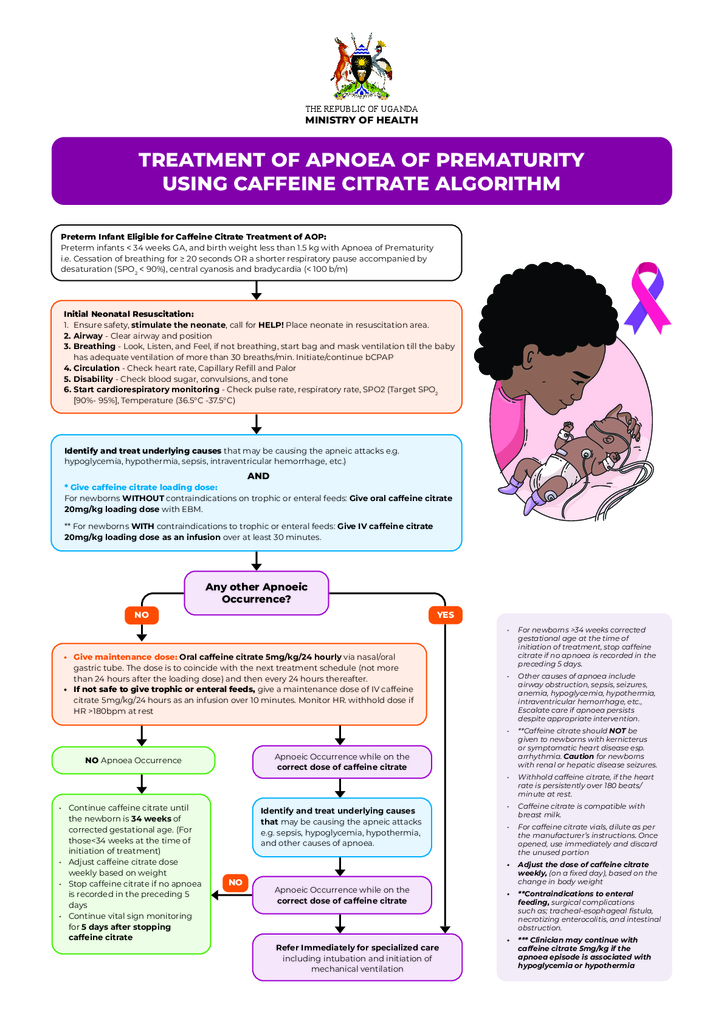
The Treatment of Apnoea of Prematurity Using Caffeine Citrate Algorithm provides a standardised clinical pathway for the assessment and treatment of apnoea in preterm infants using caffeine citrate. It outlines eligibility criteria, dosing, monitoring, management of underlying causes, and referral for specialised care to support safe, evidence-based neonatal practice and improve newborn outcomes.
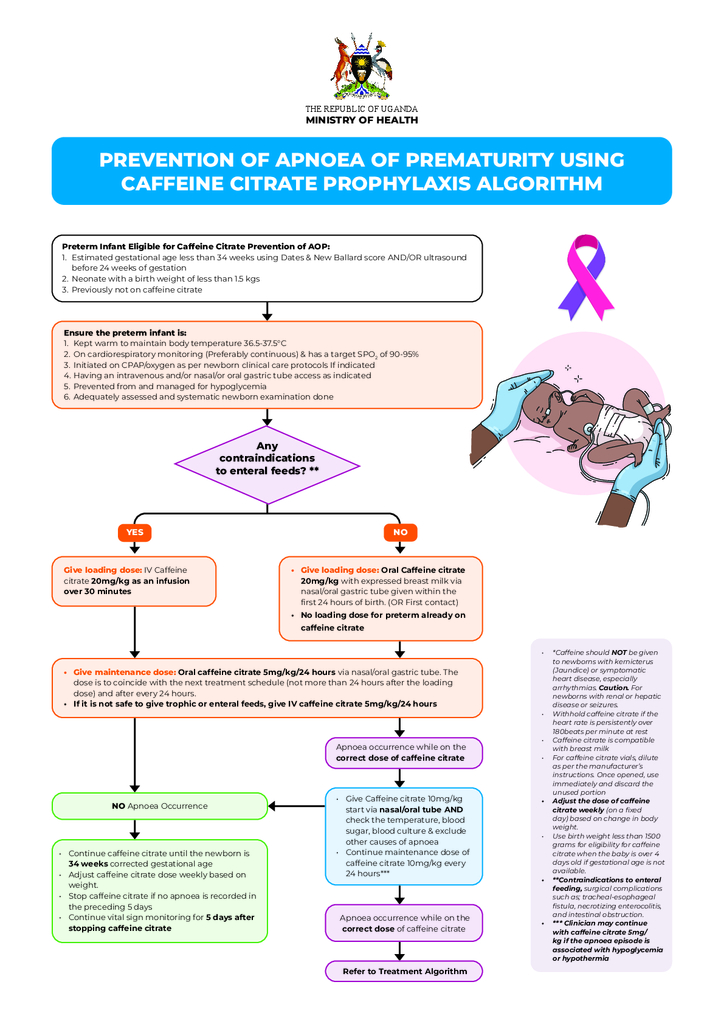
The Prevention of Apnoea of Prematurity Using Caffeine Citrate Prophylaxis Algorithm provides a standardised clinical pathway for preventing apnoea in eligible preterm infants through the appropriate use of caffeine citrate. It outlines eligibility criteria, dosing, monitoring, and follow-up to support safe, evidence-based neonatal care and improve newborn outcomes.
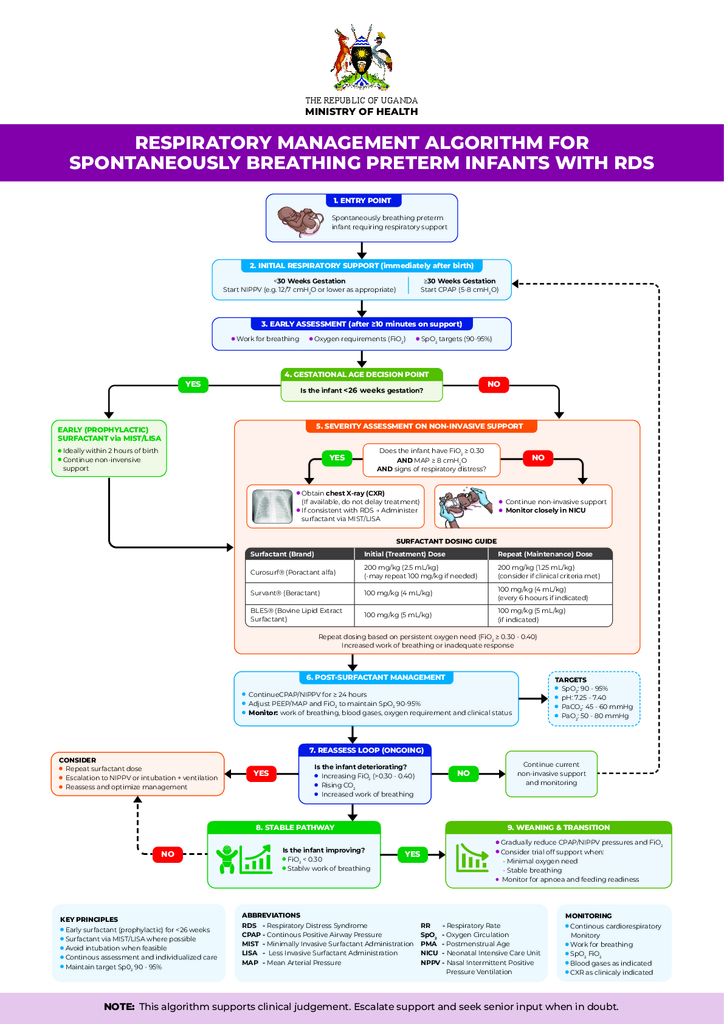
The Respiratory Management Algorithm for Spontaneously Breathing Preterm Infants with Respiratory Distress Syndrome (RDS) provides a standardised clinical pathway for assessing and managing preterm infants with RDS. It outlines indications for respiratory support, surfactant therapy, monitoring, and ongoing clinical management to improve neonatal outcomes and ensure consistent, evidence-based care.
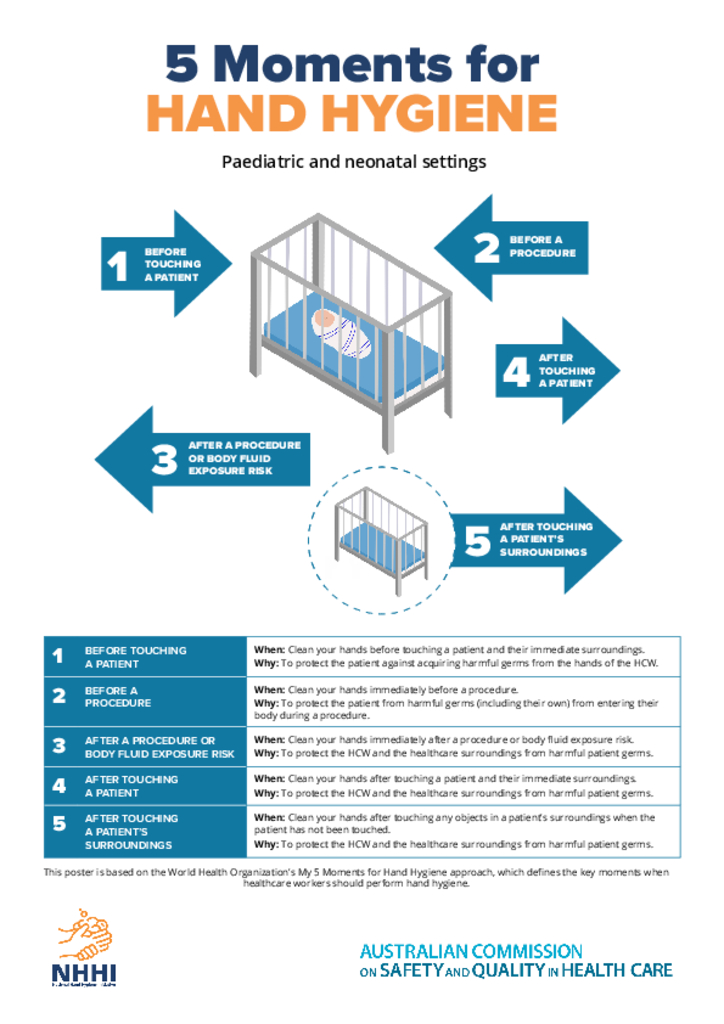
5 Moments for Hand Hygiene provides guidance on the five critical moments for hand hygiene to prevent healthcare-associated infections, improve patient safety, and strengthen infection prevention and control in healthcare settings.
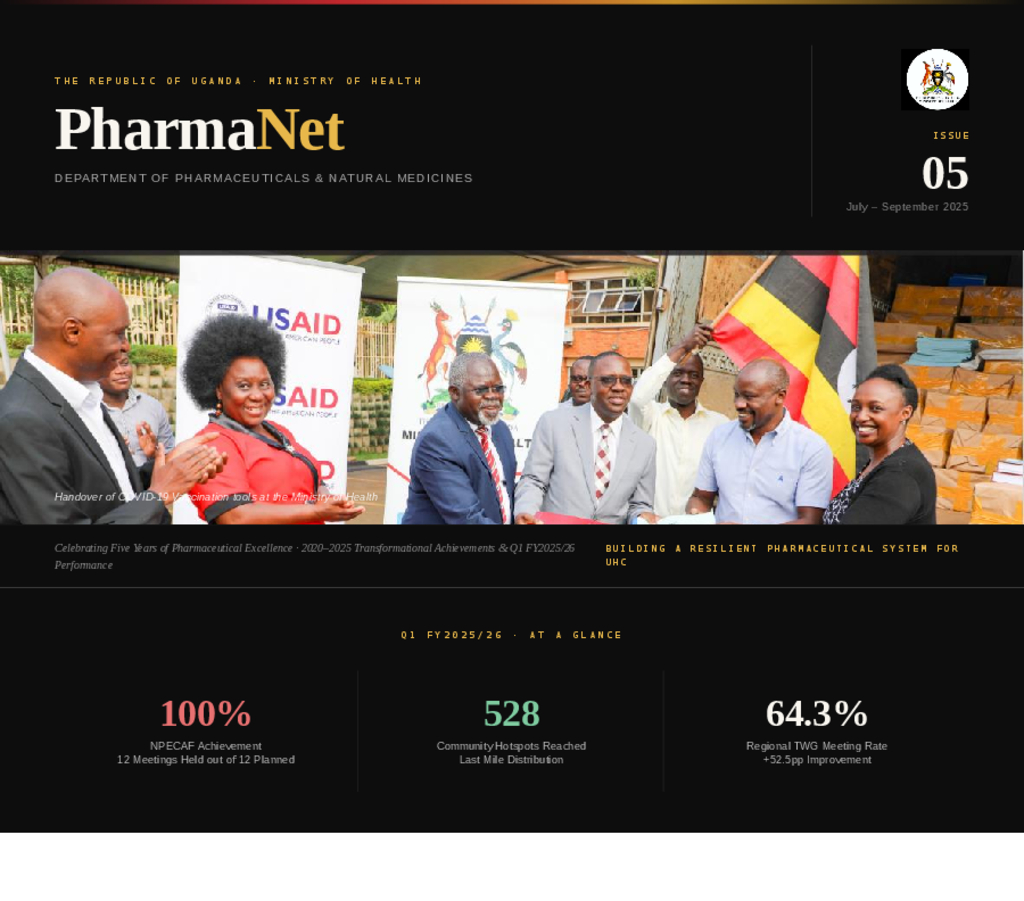
The PharmaNet Newsletter, Issue 05 (July–September 2025) highlights the Ministry of Health's key achievements in strengthening Uganda's pharmaceutical system, including improvements in supply chain management, digitalisation, governance, local manufacturing, and medicines safety, while outlining priorities for enhancing access to essential medicines and universal health coverage.
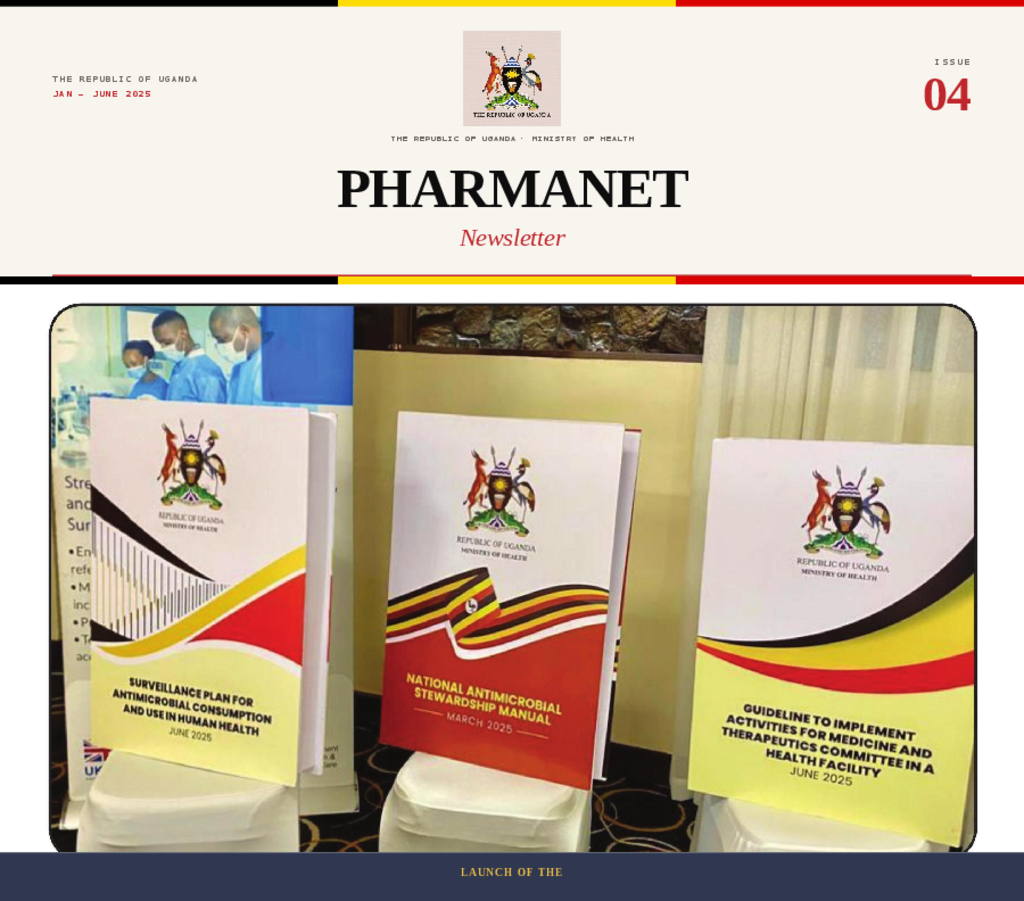
This newsletter highlights the Ministry of Health's pharmaceutical achievements and challenges from January–June 2025, covering health supply chain management, pharmacovigilance, antimicrobial stewardship, Medicines and Therapeutics Committees, capacity building, and digital innovations to strengthen pharmaceutical service delivery in Uganda.
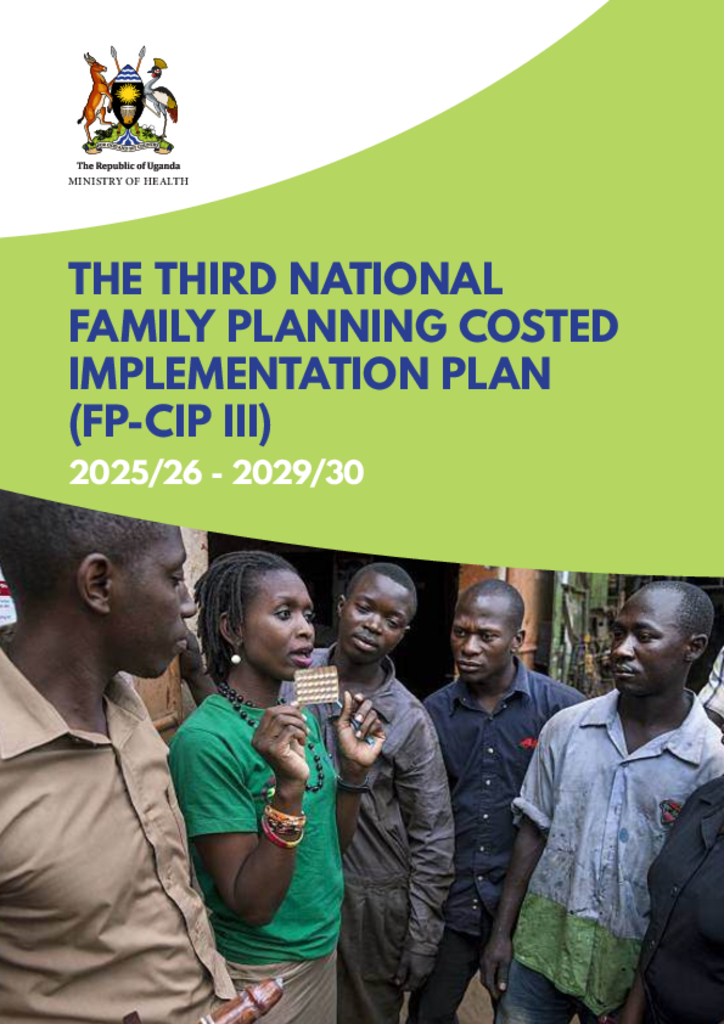
The FP-CIP III emphasizes measurable, sustainable outcomes by embedding FP within routine health services, national development planning, and existing government accountability platforms. By shifting from donor reliance to predictable domestic financing and multi-sectoral ownership, this plan positions family planning as a core driver of human capital development, economic productivity, and Uganda’s broader Vision 2040 aspirations.For FP-CIP III to secure the demographic dividend and contribute meaningfully to national development, it must prioritize institutionalization, financial sustainability, and robust governance. Failure to enact this paradigm shift will leave Uganda substantially off-track from its commitments to its people and its vision for a prosperous future.
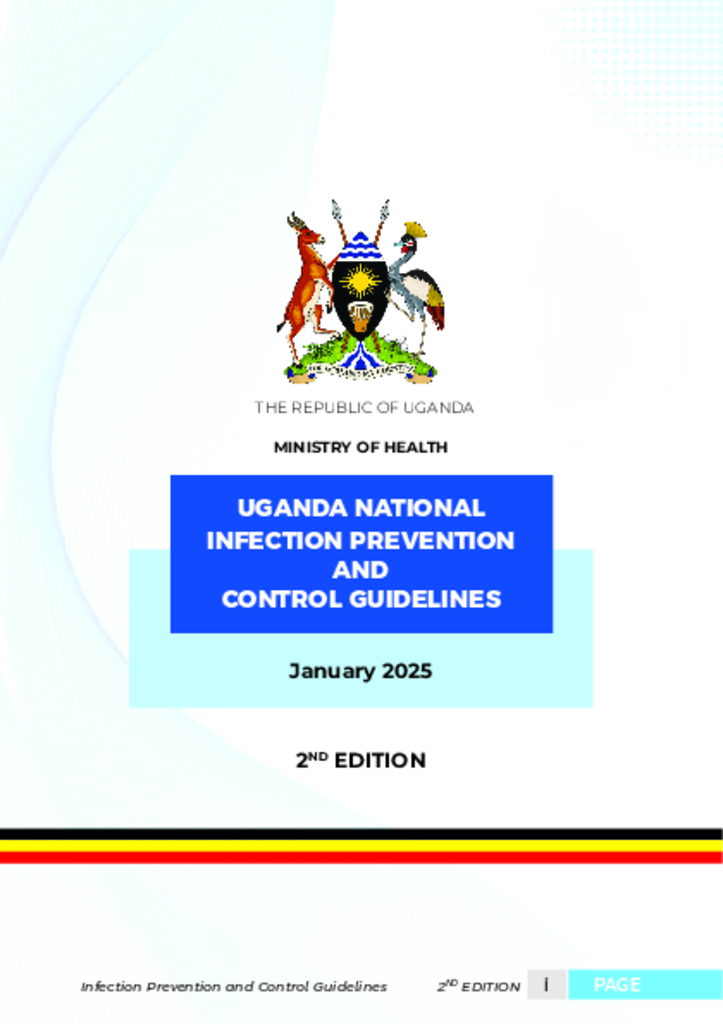
This guideline provides national standards for infection prevention and control in Uganda's health sector, promoting safe healthcare practices through evidence-based measures on infection prevention, surveillance, waste management, occupational safety, quality improvement, and outbreak preparedness to reduce healthcare-associated infections and protect patients and health workers.
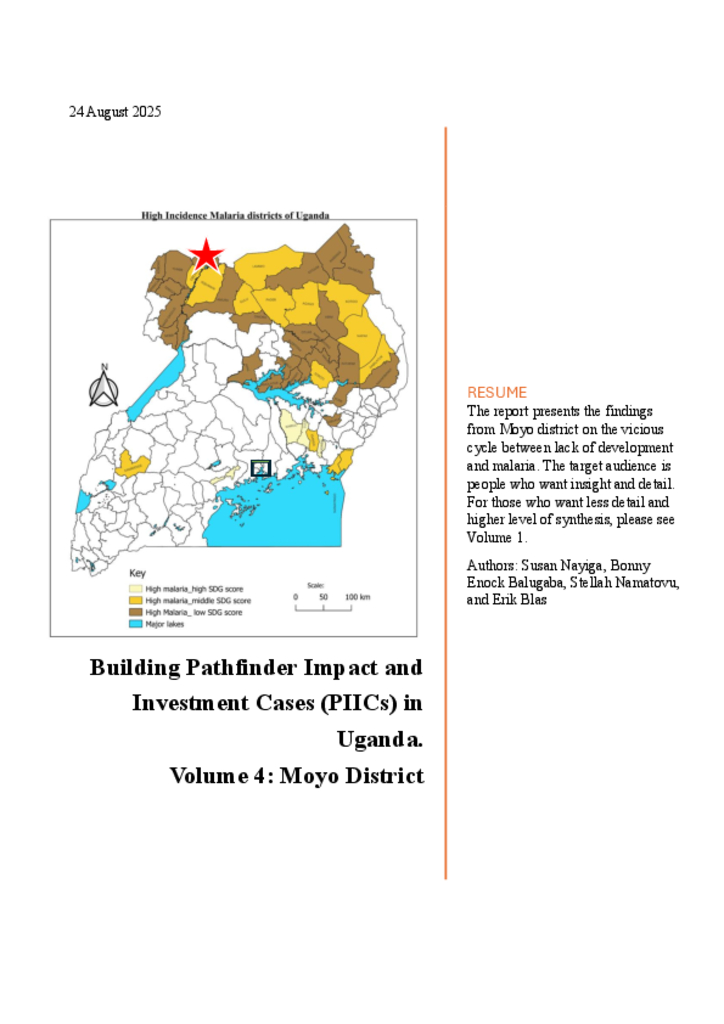
This report presents the Pathfinder Impact and Investment Cases for Kapelebyong, Kitgum, and Moyo, demonstrating how integrated, district-led interventions can reduce malaria and accelerate sustainable development.