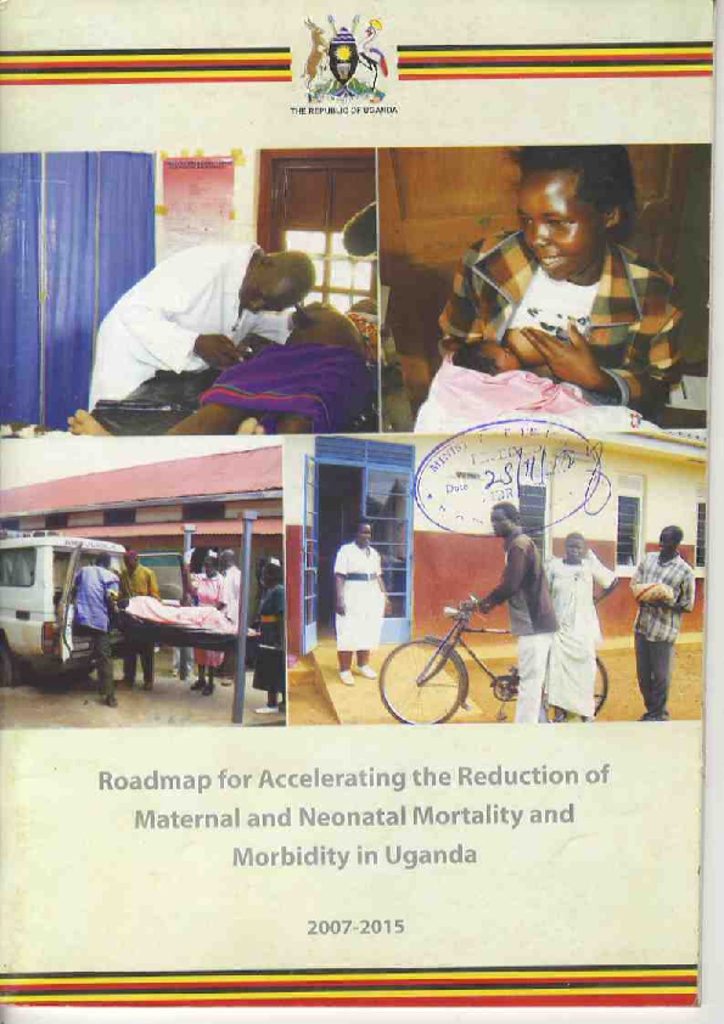
Uganda’s Maternal Mortality Ratio (MMR) is currently estimated at 435/100,000 live births (Uganda Demographic and Health Survey [UDHS] 2005/6). This has declined from 527/100,000 live births estimated in 1990. The current maternal mortality ratio of 435 deaths per 100,000 live births translates to about 6000 women dying every year due to pregnancy related causes.
In addition, for every woman who dies, six survive with chronic and debilitating ill health such as fistulae (leakage of urine or faeces from the birth canal). Similarly, infant mortality (IMR) has declined from 88 deaths per 1,000 live births to the current estimate of 76/1000 live births.
This technical working group on the prevention and treatment of obstetric fistulae is part of the effort to provide more effective support to countries particulary in areas where WHO is a unique contribution to make in norm setting and the establishment of agreed standards.
This Guide is a tool for clinical decision-making. The content is presented in a frame work of coloured flow charts supported by information and treatment charts which give further details of care.
The framework is based on a syndromic approach whereby the skilled attendant identifies a limited number of key clinical signs and symptoms, enabling her/him to classify the condition according to severity and give appropriate treatment. Severity is marked in colour: red for emergencies, yellow for less urgent conditions which nevertheless need attention, and green for normal care.
Despite its devastating impact on the lives of girls and women, obstetric fistula is still largely neglected in the developing world. It has remained a ‘hidden’ condition, because it affects some of the most marginalized members of the population—poor, young, often illiterate girls and women in remote regions of the world.
On a global scale, the continued incidence of obstetric fistula in low-resource settings is one of the most visible indicators of the enormous gaps in maternal health care between the developed and developing world. Obstetric fistula still exists because health care systems fail to provide accessible, quality maternal health care, including family planning, skilled birth attendance, basic and emergency obstetric care, and affordable treatment of fistula. In addition, social systems are failing to provide a safety net for girls and women.
The handbook provides a description of each indicator and how it is constructed and how it can be used; the minimum and/or maximum acceptable level (if appropriate); the background of the indicator; data collection and analysis; interpretation and presentation of the indicator; and suggestions for supplementary studies. There is a further section on interpretation of the full set of indicators. Sample forms for data collection and analysis are provided.
This manual complements and is consistent with the Essential Care Practice Guide for Pregnancy and Childbirth which is prepared mainly for the primary health care level. Together these manuals will provide guidance for health workers who are responsible for the care of pregnant women and newborns at all levels of care.
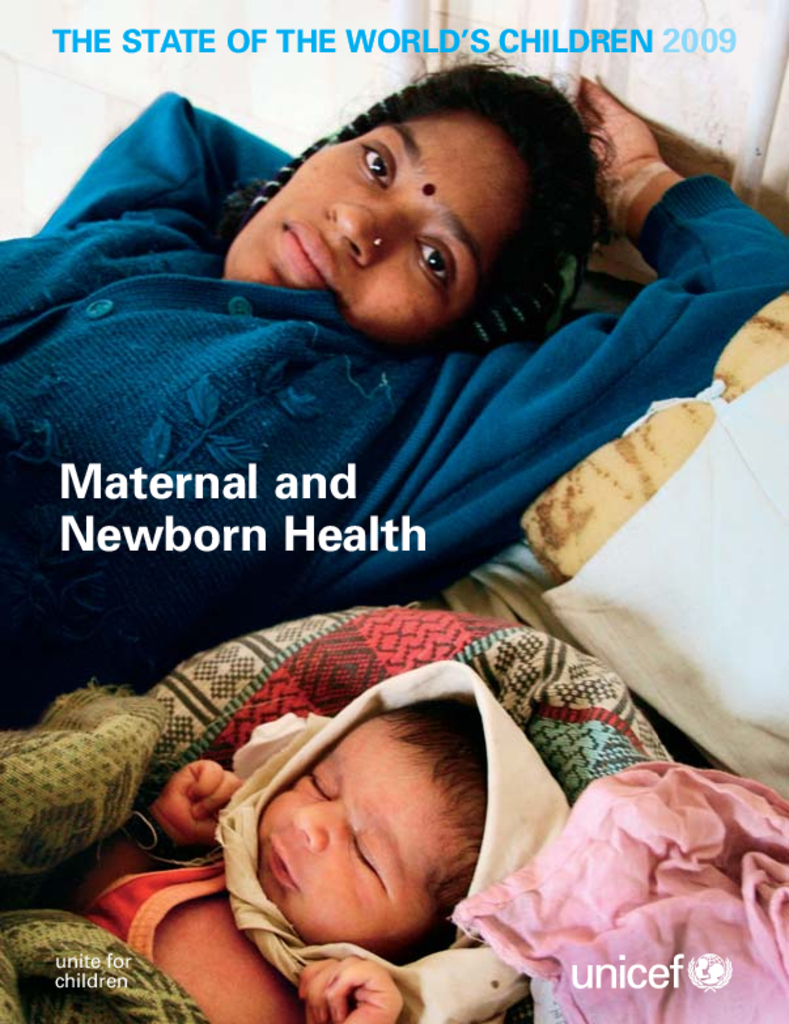
The State of the World’s Children 2009 focuses on maternal and neonatal health and identifies the interventions and actions that must be scaled up to save lives.
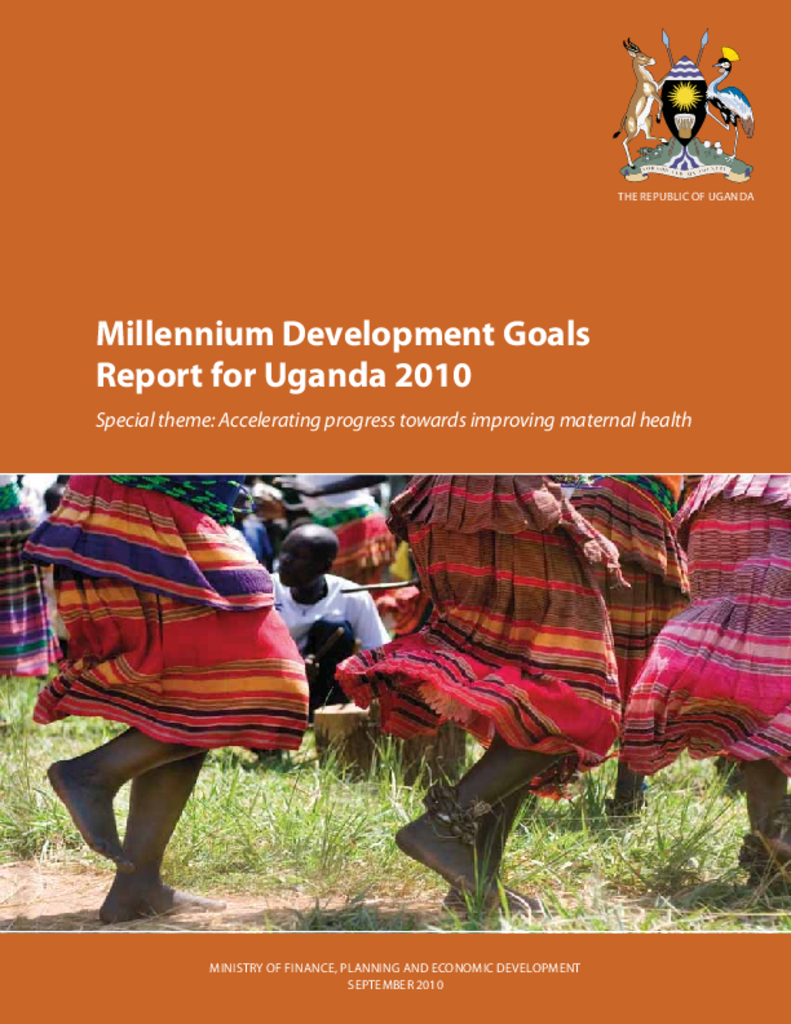
The facts and figures on maternal health contained in this report highlight the challenges that our country still faces in improving the lives of women, especially during pregnancy and at childbirth.
The government will continue to put in place the necessary programs and measures to ensure that maternal health services and reproductive health performance in general progressively improve.
The report shows that although Uganda has made progress since the last reporting period there is still a long way to go if we are to achieve all the goals by 2015 especially the health related goals on child mortality and maternal health.
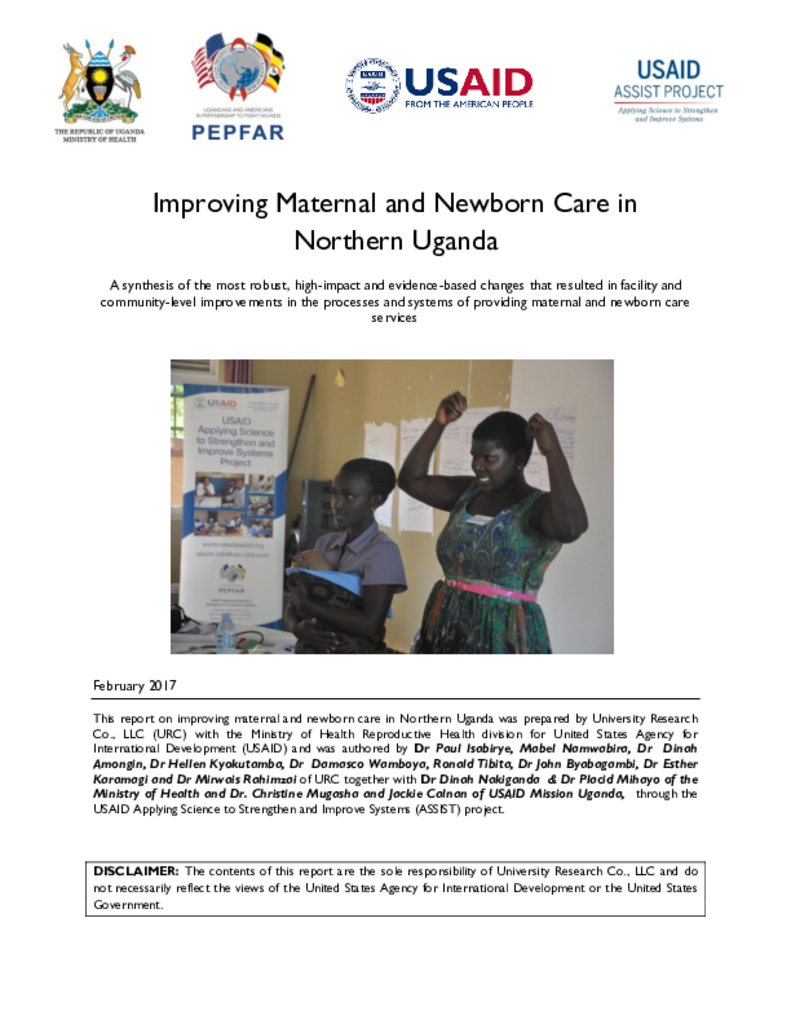
This report is about improving maternal and newborn care in Northern Uganda.
We conducted a survey to determine availability of emergency obstetric care (EmOC) to provide baseline data for monitoring provision of obstetric care services in Uganda. Methods: The survey, covering 54 districts and 553 health facilities, assessed availability of EmOC signal functions.
Following this, performance improvement process was implemented in 20 district hospitals to scale-up EmOC services. Findings: A maternal mortality ratio (MMR) of 671/100,000 live births was recorded. Hemorrhage, 42.2%, was the leading direct cause of maternal deaths, and malaria accounted for 65.5% of the indirect causes. Among the obstetric complications, abortion accounted for 38.9% of direct and malaria 87.4% of indirect causes.
Removal of retained products (OR 3.3, P<0.002), assisted vaginal delivery (OR 3.3, P<0.001) and blood transfusion (OR 13.7, P<0.001) were the missing signal functions contributing to maternal deaths. Most health facilities expected to offer basic EmOC, 349 (97.2%) were not offering them. Using the performance improvement process, availability of EmOC in the 20 hospitals improved significantly.
Globally, reduction of maternal and new born mortality remains a high priority in the Sustainable Development targets as unfinished MDG agenda. In 2013, about 0.3 million women died as result of pregnancy related causes. Sub-Saharan Africa alone contributed more than half of these deaths.
Uganda is among those countries struggling with high maternal mortality rates at 336/100,000 live births. Globally 2.7 million neonatal deaths and a similar number of still births occur. Neonatal mortality in Uganda is estimated to be 27 deaths per 1000 live births and accounts for 45% of the under-five mortality.
Maternal and perinatal death reviews (MPDR) help to understand the circumstances around the death of a mother or newborn in order to identify factors contributing to death and then
develop strategies to address them