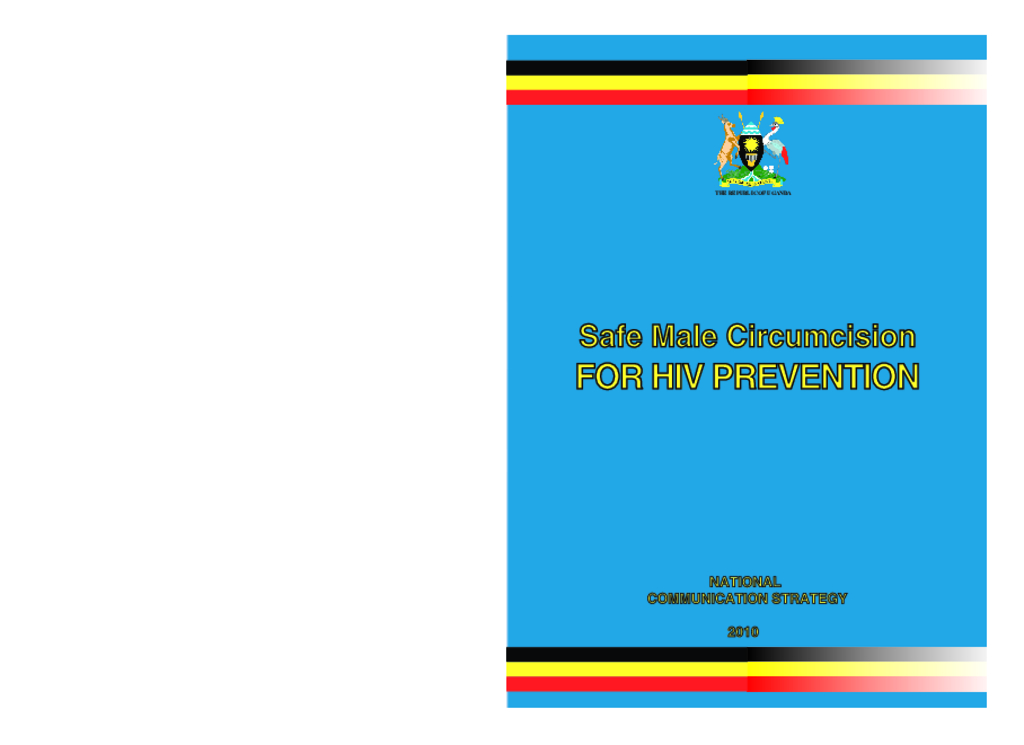
The Ministry of Health, in collaboration with key stakeholders, has developed this communication strategy to promote Safe Male Circumcision (SMC) in Uganda. The goal of the communication strategy is to contribute to the reduction in HIV and other Sexually Transmitted Infections incidences through increased safe male
circumcision uptake. In order to promote safe male circumcision, the communication strategy primarily focuses on creating awareness and providing the necessary information to the public and other key stakeholders on safe male circumcision as an option of HIV prevention, elaborating the broader health benefits of safe male
circumcision and advocating for support in the implementation of the SMC policy and scale-up programme.
Uganda has recently changed its malaria treatment policy to reflect the global policy of shifting from non-artemisinin-based combination therapies. In 2004, the first line treatment for uncomplicated malaria, chloroquine+SP, was replaced with artemether/lumefantrine. Implementation of this new drug policy, commenced in 2005 with health facility deployment of artemether/lumefantrine as a brand called Coartem®.
As part of the change in policy the Ministry of Health proposed to increase the emphasis on parasitological diagnosis by introducing malaria rapid diagnostic tests (RDTs). The National Malaria Control Programme (NMCP) drafted policy guidelines in consultation with stakeholders. To enrich the guidelines on RDT use in Uganda, this meeting was organised to gather consensus on policy recommendations based on local experiences and ongoing research by UMSP, WHO and the Malaria Consortium. It follows a larger meeting organised in February 2007.
Malaria is the major cause of mortality and morbidity in the tropical and subtropical regions in the world. An estimated 300-500 million persons suffer from malaria every year and more than 1million die each year. Majority of these cases and deaths particularly those in children occur in Sub Saharan Africa. Unlike some of the other acute diseases such as encephalitis, meningitis, and most of the chronic diseases, patients of severe malaria can recover completely without any long term effects if treated promptly and correctly.
The burden of disease due to malaria in Uganda is unacceptably high and the resistance of the malaria parasites to Chloroquine (CQ) and Sulfadoxine/Pyrimethamine (SP) has aggravated the situation. Because of this, in May 2004, the Ministry of Health decided to change the malaria treatment policy from CQ+SP combination to the more effective artemisinin based combination therapy (ACT).
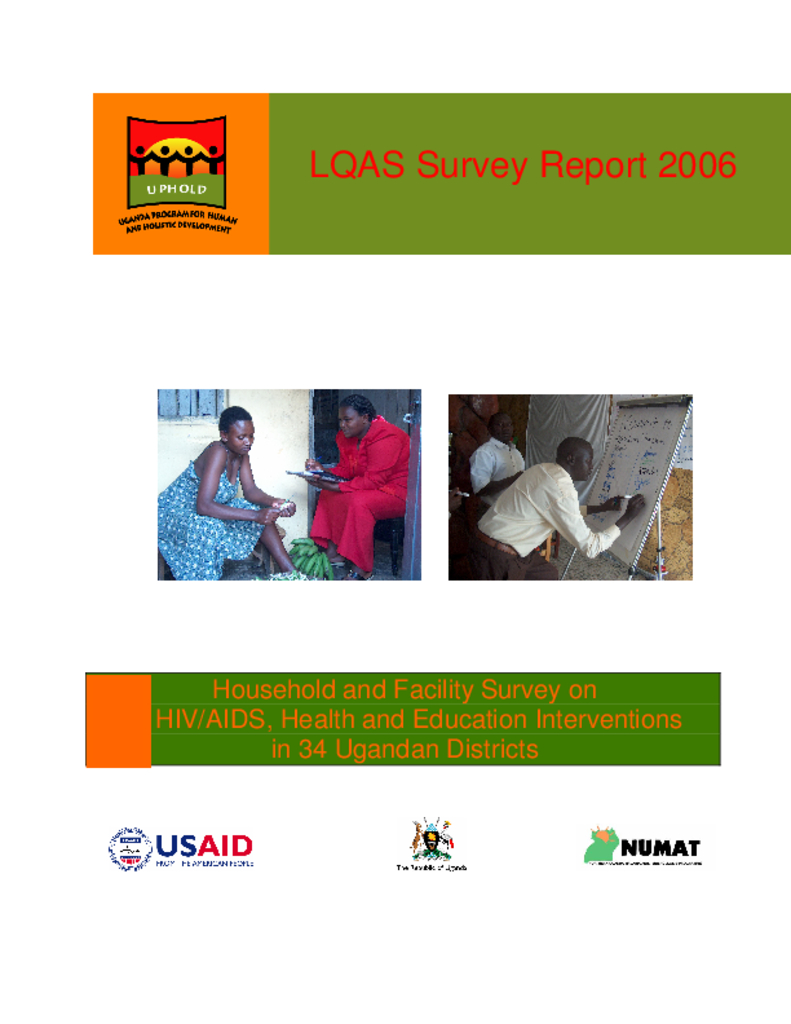
The Uganda Program for Human and Holistic Development (UPHOLD) is a USAIDfunded program designed with the Government of Uganda (GoU) to strengthen human capacity through the delivery of improved services in Education, Health, and HIV/AIDS prevention and care in 34 districts of Uganda. UPHOLD’s broad mandate includes supporting the achievement of a range of results in the following areas: improved use of social services; increased capacity to sustain social services and a stronger enabling environment for social services delivery.
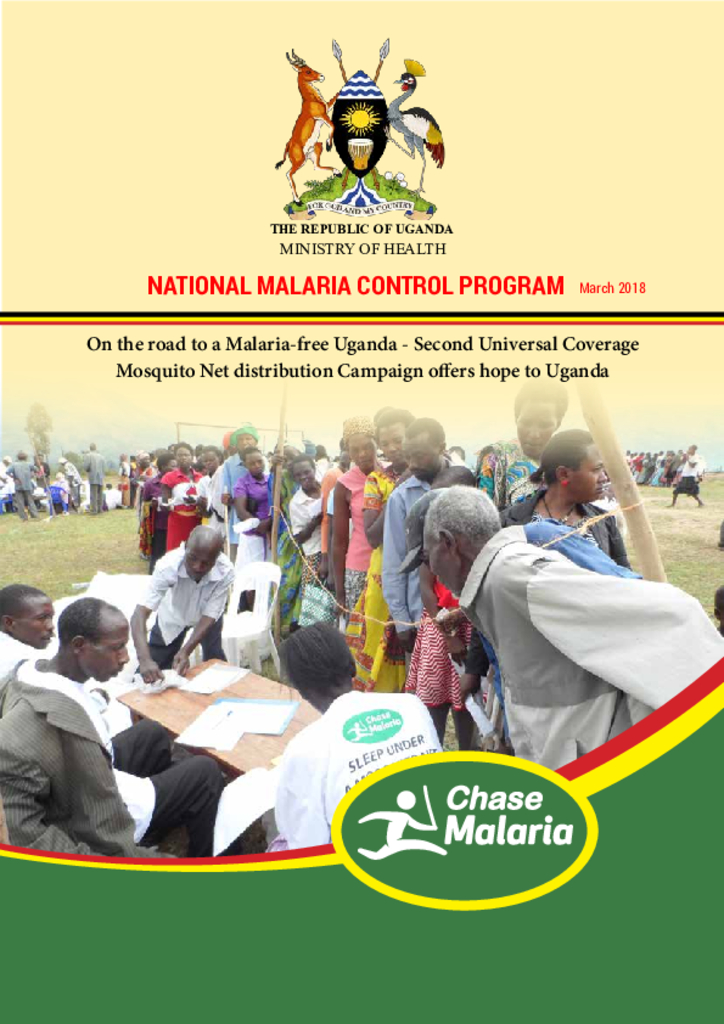
Malaria has been the leading cause of sickness and death in Uganda, claiming over 150 lives daily. However efforts by Government in partnership with donors from the international community to combat the disease through the increased access and use of Long Lasting Insecticide Nets (LLIN) among the population presents a ray of hope.
Because it is committed to a fair, safe and compassionate workplace, the UN system wants us to be fully informed about issues that can affect the workplace, including HIV and AIDS. Our right to understand UN-system policies on HIV and AIDS extends to all employees, including those who are and are not HIV-infected.

This training manual is designed to equip service providers with knowledge, skills and attitudes needed to provide quality RCT services in a hospital or any health care setting. The overall goal of the RCT training programme is to increase the production and provision of high quality HIV counseling services through training of service providers that will carry out HCT in Hospital settings.
This training manual is designed to equip service providers with knowledge, skills and attitudes needed to provide quality RCT services in a hospital or any health care setting. The overall goal of the RCT training programme is to increase the production and provision of high quality HIV counseling services through training of service providers that will carry out HCT in Hospital settings.
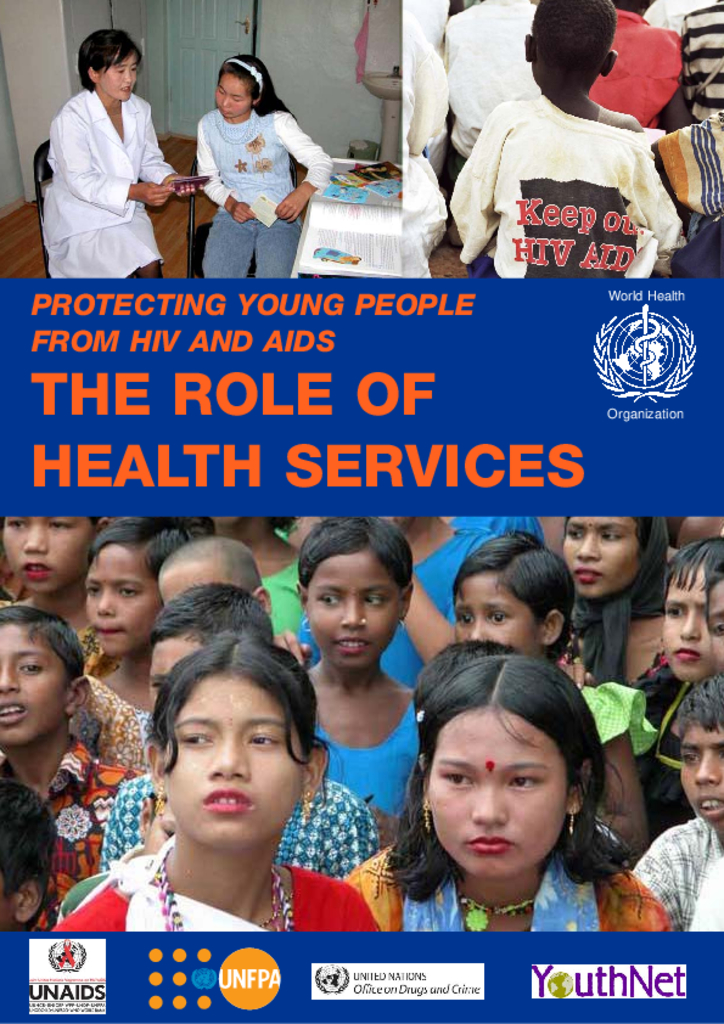
This document summarizes the evidence for effective action, and encourages policy makers and programmers to turn concern and commitment into effective and sustainable action. It is based on an understanding that HIV infects people when they are young, but AIDS affects and kills people at an age when they would be parents and workers who sustain society and domestic and family life. Helping young people to protect themselves against HIV and AIDS protects people now and in the future. It protects the future of family life and the economic prospects of countries in development.
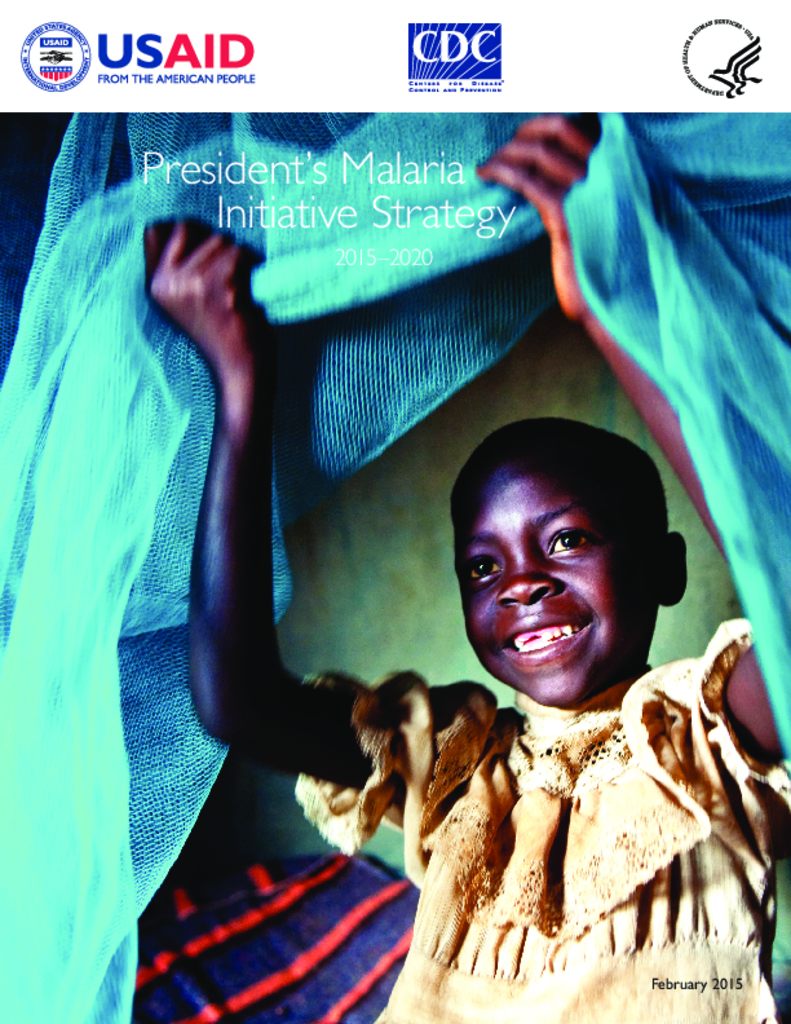
This updated President’s Malaria Initiative Strategy (2015– 2020) takes into account the progress over the past decade and the new challenges that have arisen, setting forth a vision, goal, objectives, and strategic approach for PMI through 2020, while reaffirming the longer-term goal of worldwide malaria eradication.
Malaria prevention and control remains a major U.S. foreign assistance objective, and this strategy fully aligns with the U.S. Government’s vision of ending preventable child and maternal deaths and ending extremepoverty. It is also in line with the goals articulated in the draft RBM Partnership’s second Global Malaria Action Plan and WHO’s draft Global Technical Strategy.
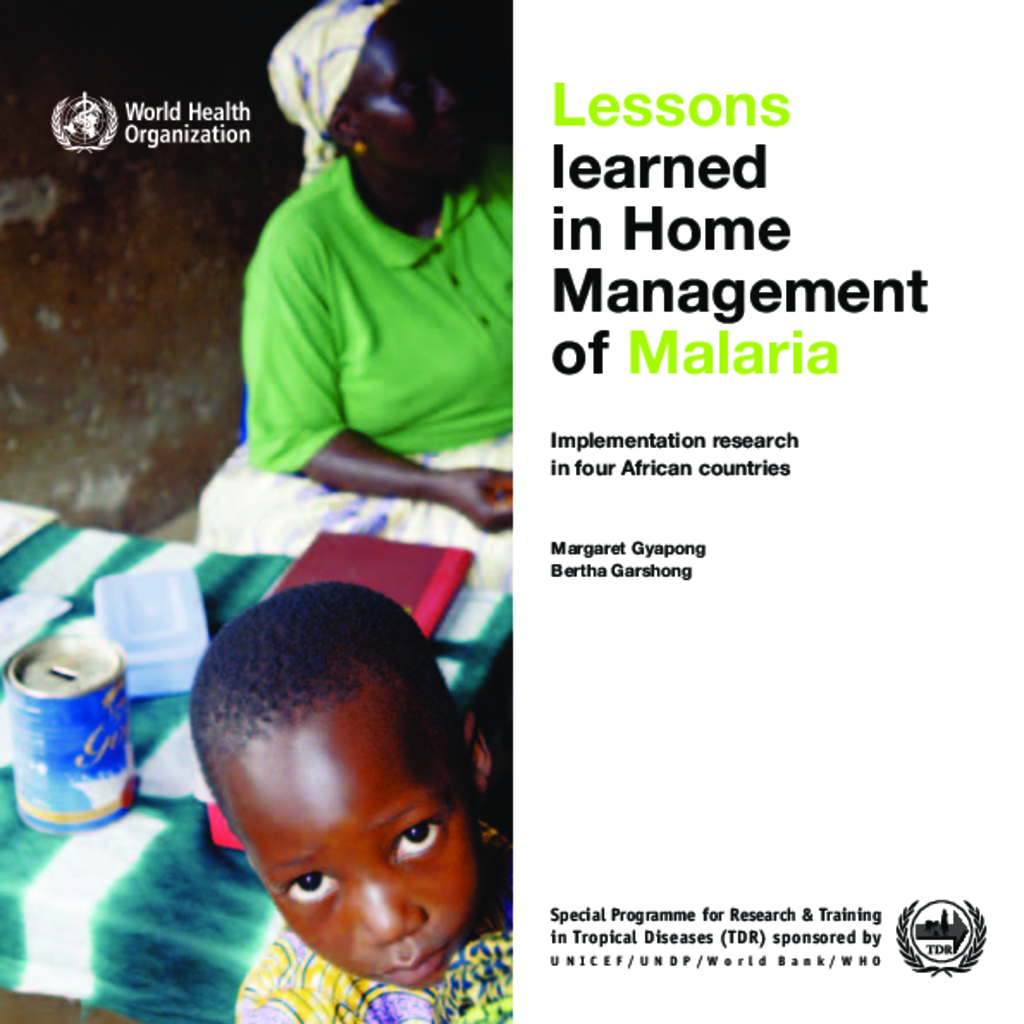
The document is a comparative analysis and documentation of the processes that have enabled teams to implement HMM in various settings. It complements other WHO publications on the subject (WHO, 2004, 2005) in that it focuses on the processes, challenges, and lessons learnt in implementing the HMM strategy in the four African countries.